
Our current HDR students - contact details, thesis title and description

Alexander Brown
Automatic Processing of Large-Scale Bioacoustic Data Using Dynamic Workflows
Environmental monitoring is becoming an increasingly critical process as climate change, deforestation, and other human activities increasingly threaten the health of environments. There has been significant interest in using bioacoustics analyses to perform this task. These analyses utilise sound recordings from environments to perform monitoring. Innovations in machine learning have enabled bioacoustics processes to be conducted automatically without the need for humans to listen to and manually annotate recordings. There are many approaches for automatically processing bioacoustics recordings, but research has not investigated which types of processing are most applicable for different scenarios and how to deploy processes at scale. This project looks at how to automatically select the best processing approaches for any given scenario and then how to deploy these at large scales. It represents bioacoustics processes as workflows made up of small tasks, each contributing different types of processing within them. It presents an architecture to enable workflows can be constructed and executed containing a wide variety of tasks, and methods for constructing effective workflows through selecting strong combinations of tasks the best suit researchers’ needs. It then analyses how to schedule tasks and allocate resources in a Cloud-based architecture where workflows can be swapped to optimised for dynamic acoustic environments.

Hassan Alfifi
An Intelligent Peer Marking System with Controlled Natural Language and Rule-based Modelling
Ali Raza
Capitalizing Knowledge Using Blockchain: Multi blockchain based framework for rule- based knowledge base systems (KBS)

Alsalem Hassan
Understanding the Barriers in Authentic Interaction with e-government System Among the Resident of Saudi Arabia
This research would essentially focus on the G2C aspect of e-governance, designed to consider factors that encourage citizens to interact with e-government systems authentically within nations still in their developmental phase, such as the Kingdom of Saudi Arabia.
Connect with Alsalem on LinkedIn

Andrew Koerbin
A Framework addressing the lack of take up of differentiated/shared ICT services in government
This project seeks to make a substantial contribution to the public sector in Tasmania and beyond through examining the reasons why the early promises of substantial cost saving using eGovernment services and products have not lead to the back-end transformation of organisations (known as Transformational Government or tGovernment). The purpose of this project is to gain an understanding of how a number of domains that influence process reform within government can be brought together into a framework. In doing so, this projects aims to explore the understanding, opinions and perceived shortcomings of the current way in which systems are selected and implemented. This timely and important study is guided by the following research questions:
1. How can governments bring together the political, organisational, technology, business and social domains within agencies to empower middle management to conduct successful back-end reform using tGovernment initiatives and services?
2. What are the steps that need to be put in place by administrations to support this transformation?
Connect with Andrew Koerbin on ResearchGate, Google Scholar, or ORCID

Ankur Lohachab
Understanding and Advancing the Blockchain Interoperability
The emerging research in the blockchain is concerned with exploring whether it is feasible to exchange digital assets for others, assuming that the other assets are on a disparate blockchain. To this end, the project’s initial findings suggest that this is nearly impossible to achieve in the current settings in which the computing framework is not dependent on any third party as a mediator. One of the reasons is the dilemma that blockchain's implicit properties (e.g., self-sufficient) are themselves part of the problem, which usually makes state-of-the-art project assumptions emphasizing the creation of different approaches rather than creating globally integrated blockchain-based systems. To better understand such dilemmas and advance this area, this project strives for a set of contributions that are categorized into the following three phases:
- The project begins by presenting insights, e.g., about performance bottlenecks or near-optimal configurations, for a single Hyperledger Fabric networked system. Accordingly, we streamline our study with an assumption of two or more such systems; herein, one of the core ideas is to enable inter-chain and inter-network interoperability with a simplistic and pragmatic approach. Both studies contribute to a better understanding of a subset of practical challenges concerning blockchain and blockchain interoperability.
- In the second part, the project formalizes aspects related to the blockchain (e.g., tokens) and blockchain interoperability (e.g., asset exchange), using a decidable fragment of logic-based notions, like First-Order Logic (FOL) and a combination of three conceptions, i.e., formalist, semantic, and axiomatic, of the deduction-theoretic approach. This would ensure the correctness of the underlying assumptions via validation of the system model and its properties in a defined context.
- In the third part, the project aims to put forth a roadmap substantiated by an evidence-based approach, given the Pareto-preferred future of blockchain and blockchain interoperability. This may provide an extended look at their perceived benefits of integrating emerging technologies.
Connect with Ankur on GoogleScholar, Linkedin, Web of Science, ORCID, and ResearchGate

Chee Sen Tan
A Hybrid Framework for Effective Carving of HEIC/HEIF Files: A Machine Learning Assisted File Structure Analysis Approach
This research aims to construct a reliable and effective framework to carve HEIC/HEIF files that pertains forensic integrity, which includes methodologies to identify, match, reassemble and validate HEIC/HEIF files from disk images. The realisation of this research is that the framework can be used to develop analytic tools to be used by forensic practitioners to support criminal investigations involving HEIC/HEIF images.
Connect with Chee sen Tan on LinkedIn
Daryl Sheppard
What Makes People Click: An examination into the motivation and causes of why people fall for spear phishing attacks

Duy Van Le
Risk Prediction in Electronic Health Records Using Natural Language Processing
The concept of electronic medical records emerged in the 1960s. Governments of many countries have attempted to standardise EHRs to enable authorised people to store and rapidly access a patient's medical information (Häyrinen et al. 2008). Such a digitised health information system helps to improve efficiency and quality of health care as well as reduce costs (Keller 2016). To support data processing and analysis, some key EHR information is stored according to pre-defined data models. However, the majority is in the form of unstructured free-text, predominantly clinical narratives in progress notes.
Given variation in the breadth and depth of knowledge and experience of health professionals, these free-text entries differ widely in their use of lay and professional vocabularies, and in vary in the structure of the information recorded. Clinical narratives are a rich source of data in the analysis and treatment of patients (Savova et al. 2010). However, manual analysis of huge and unstructured data from textual sources is error-prone, time-intensive, and costly. The automated analysis of such data is necessary to support physicians in reading EHRs in order to gather accurate and reliable information relevant to a patient’s medical history. NLP has been effective in analysing and extracting information from clinical text data (Sohn et al. 2011; Ford et al. 2016).
This project investigates the application of Natural Language Processing and Machine Learning to the prediction of harm events from clinical narratives stored in Electronic Health Records.
Connect with Van Duy Le on GoogleScholar

Israel Fianyi
Unsupervised Deep Learning Approach for Information Extraction
Connect with Israel Fianyi on ResearchGate or LinkedIn

Jamal Maktoubian
Investigating an Intelligent Predictive Maintenance (IPdM) System based in Transportation 4.0
Abstract:
This research aims to investigate contemporary approaches to intelligent predictive maintenance (IPdM) and to generate and test/simulate an IPdM for use with vehicle transportation. While estimates in the literature relating to the costs associated with machinery maintenance vary between 20-60% of overall costs, there is limited measurement demonstrating the specific impacts of external factors such as weather condition, operator experiences and/or operator fatigue on maintenance costs, and in turn the accuracy of maintenance predictions. Assumptions that these data are captured by sensors on machinery components is yet to be proven and developing weighted calibrations for these external factors may further contribute to improving predicting accuracy of remaining useful life (RUL) of machinery. In this context, the research will also investigate whether it is possible to enhance IPdM prediction accuracy by capturing and incorporating some of these external variables into the computational model developed. Based on these insights the research will design, build and evaluate an IPdM model and evaluate its prediction accuracy in transportation. Some of the criteria that need to be considered in maintenance regimes include avoiding unnecessary maintenance, reducing greenhouse gas emissions, reducing fuel and lubricants consumption, predicting and reducing maintenance costs, availability/accessibility of spare parts, avoiding loss of production time, and reducing operational health and safety risks to drivers and maintenance fleet.
However, predictive maintenance regimes are only good as the quality of the input data that they use and the accuracy of the assumptions underpinning the relationships between these data and the predictions being produced. With data inputs coming variously from maintenance archive data, sensor-based monitoring and external contextual variables, big data analytics and cloud platforms offers a potential approach to enhance capture and analysis of these data to deliver intelligent predictive maintenance. In this research, the challenges and opportunities for designing, implementing and evaluating an IPdM system for transportation vehicles will be examined in the context of contemporary research literature. The aim of this research is to first review and analyse the underlying assumptions of different types of maintenance data, their quality, and relationships for IPdM system in transportation.
The research methodology is structured in two general phases, including research strategy and research design. The research strategy phase is designed to overview how the project will be run and justify the research project. The current maintenance strategies in the transportation system will be investigated, and the research gaps will be confirmed. The research strategy, in general, is classified into three subsections, including baseline, build and test, and evaluation. In these three phases, different qualitative and quantitative data will be collected, pre-processed, analysed, validated, and evaluated in the transportation. The collected data will provide a simulation model to test the feasibility of the idea and investigate how the maintenance crew think and feel about the new maintenance strategy. Therefore, the user behaviour toward the system might reveal a new solution to the problem or new gaps will be visible. Additionally, the impact of external factors on prediction accuracy will be measured using correlation-based feature selection (CFS), features interaction and interpretation techniques. The result will be assessed to assure the satisfaction of transportation managers and successfully of the project. The evaluation framework includes three stages of implementation, including process success, product success, and organisational success. The research design is the operational level of the project, where some additional data will be collected, analysed, and interpreted/discussed. In this phase, five transportation industry will be invited to apply research strategy in real-world scenarios. The Cross-Industry Standard Process for Data Mining (CRISP-DM) model will be used to structure the development of the method. This phase is also subdivided into three main categories, namely, data collection, design and evaluation. Since the volume, variety, and complexity are the data characteristics expected from data collection, the project will be designed, implemented, and visualised using Big Data technologies. In this work, feature engineering methods will be adopted to select the minimum and essential features. Different artificial intelligence and machine learning algorithms such as Long Short-Term Memory (LSTM) will be used and implement base on Apache Spark (MLlib library) platform to measure the remaining useful life (RUL) of machinery/components. Ultimately, the evaluation of the IPdM will be accomplished through simulation using archive data to measure the potential improvements in RUL, potential reduction in maintenance cost, and potential impact on OH&S.

Jianping Yao
Multi-label Deep Learning For Plant Leaf Disease Classification
Agriculture plays an important role in daily life because it is related to the quality and safety of food. Plant leaf disease is always a big issue in the agriculture industry, which will bring crop productivity to decrease and production costs to rise. Thus, detecting the leaf disease in an early stage and classifying the disease type for treatment and response is the basic need for plant cultivation. In the past, disease detection relied on manual and professional technology, which was time-consuming and difficult to timely. Fortunately, with the development of Information technology, leaf disease can now be detected and classified by computer vision methods. But how to effectively classify plants’ species and diseases simultaneously and show predictions’ transparency remains a challenge.
This study aims to use deep learning to enhance the performance of leaf disease detection and classification, and use explainability visualization technologies to explain the prediction reasons effectively. It will first do the analysis of the literature review, the selected baseline datasets and the performances of baseline models that have been established for leaf disease classification. Secondly, it will try to use a series of multi-label methods to solve the problem of predicting both plant species and disease species. Thirdly, try to establish a proposed model and study Vision Transformer to enhance the performance. Fourthly, study and use explainability visualization technologies to solve the problem that deep learning is difficult to explain the reasons for the predicted results to users. Hopefully, the idea and findings of this study will benefit precision agriculture application.

Jonathan Nield
Improving the accuracy of Skeletal Based Action Recognition systems on CCTV footage
The project involves the exploration of image transformation and manipulation techniques to improve the accuracy and precision of pose estimation and skeletal based action recognition systems when applied CCTV footage. Current pose estimation systems have been shown to perform poorly on CCTV derived data, as most datasets in this area contain minimal CCTV footage for training and testing. This is a pressing problem, as deployment of action recognition systems into real world applications will undoubtably involve using the millions of CCTV systems worldwide.

Khizar Khizar
Blockchain-based Efficient Authentication and Authorisation of IoT Devices
This project aims to provide a blockchain-based decentralised authentication and authorisation platform for IoT devices to meet the security needs of IoT devices and overcome the blockchain and IoT integration challenges to maximise system performance while reducing storage, communication, and computational overheads in the system. The main objective is to propose an efficient blockchain-based decentralised authentication platform to minimise the storage, communication, and computation overhead for many devices to be connected to the IoT system. Further, this project aims to identify the malicious behaviour of IoT devices by proposing an effective method to detect malicious activities. Finally, a secure and dynamic authorisation mechanism will also be proposed for the authenticated IoT devices to fulfil the dynamic needs of users in the systems.
Connect with Khizar Khizar on ResearchGate, Google Scholar, or ORCID

Lachlan Hardy
Assessment, Impact, and Communication of Technology in the Australian Digital Technology Curriculum
Engaging teachers with technology knowledge is difficult when they lack time and is further compounded by a curriculum framework that is technology-agnostic. This project is looking into methods of knowledge communication and engagement for in-service teachers in Secondary School; and extracurricular courses to supplement students and educators in the digital technology curriculum framework.
Connect with Lachlan Hardy on LinkedIn, ResearchGate or ORCID

Leandro Disiuta
Development and Evaluation of an Intelligent Student Assessment System in a Remote Laboratory for Embedded Systems Education (RLESE)
This research designs, implements, and evaluates an Intelligent Student Assessment (ISA) System for a Remote Laboratory for Embedded System Education (RLESE) in the School of Information and Communication Technology (ICT) at the University of Tasmania (UTAS). Remote laboratories are a valuable tool, especially when remote learning is the only option. In 2020, the COVID-19 pandemic reinforced the importance of remote learning, and that a sudden shift to remote learning is sometimes required. The methodology used in this investigation involves a research strategy using a case study approach with an objective ontology and a positivist epistemology. The research design consists of three phases: design, implementation, and evaluation. Quantitative data is collected, analysed, interpreted, and discussed in all phases.
Connect with Leandro on GoogleScholar

Louise Ashbarry
Investigating the Engagement of Game Elements to Improve Serious Game Design for Behavioural Change
Serious games aim to engage people in a behavioural change using different game elements such as points and badges. Yet, there is a lack of valid and reliable outcomes of serious games due to poorly designed experiments where there is a need to further investigate how different game elements impact players. Although engagement is the most cited measure of serious games, many studies do not formally define engagement and there is heterogeneity in outcome measures. Additionally, many studies only theorise the link between game elements and psychological constructs of engagement. To fully understand the experience of engagement, a meta-construct will be followed which includes affective (i.e., emotional outcome), behavioural (i.e., task performance), and cognitive (i.e., attention and concentration) components. This project will categorise game elements according to the seven dimensions of a gameful experience (i.e., accomplishment) and will test this hypothesised link by applying the meta-construct of engagement. Specifically, this project will examine how different game elements impact player engagement through investigating physiological arousal, self-reported game experience, participant characteristics, game metrics, and concentration measured through a detection response task. A guideline will be created which provides a comprehensive definition of different game elements, the theorised linkage between the game elements and psychological constructs of engagement, and empirical evidence indicating how different game elements impacted player engagement. The outcome of the project is to guide designers of serious games to select game elements based on their engagement properties.

Manoj Nair
Creation of a digital predictive model to improve educational outcomes
The learning management system (LMS) market is growing rapidly worldwide with increased uptake from businesses and educational institutions alike. Individual LMSs have increasingly tailored their products to support learning according to the needs of educators and students; their features have significantly evolved in recent years. However, there has been a significant shift in the needs and learning styles of learners today, which may necessitate newer types of learning systems that are more relevant and adaptive to users’ needs. This context raises the following questions: Are the LMSs that are commercially available today adequately serving the needs of the learners? If not, what does a relevant and effective next-generation LMS look like? This research integrates, (a) within a new proposed model of a next generation LMS, (b) an examination of the underlying educational theories that addresses the learning delivery of an LMS, (c) the current research conducted in the LMS field and (d) the product trends commercially observed in the top LMSs today. This new proposed model of an LMS involves the introduction of some new concepts, such as machine learning–led, software-based identification of knowledge gaps, peer review–based scoring and ranking of course content and teacher-led adaptive recommendation–based learning delivery within a system. This research directly contributes to understanding of the influence of technology on pedagogical styles, learner attitudes and educational outcomes.

Marina Buttfield-Addison
Commensal Space Domain Awareness with the Australia Telescope Compact Array
This project will implement and evaluate a commensal system for space domain awareness that will reside alongside the dedicated astronomy processing backend of the Australia Telescope Compact Array. Commensalism is a biological term that refers to a relationship where one party benefits without the other being affected;here, that means this dedicated subsystem will derive data from the astronomy backend and perform additional processing to output new data products without impacting the performance or function of that primary system. This will allow detection, tracking, and cataloguing of artificial satellites and space debris around the clock, during regular astronomical observations and potentially even calibration cycles. Development of commensal subsystems for existing sensor hardware will reduce the need for expensive, specialised new sensors to maintain space domain awareness and prevent collisions among critical satellite infrastructure as the orbital population continues to grow.
Connect with Marina on Linkedin, ResearchGate, ORCID, and Google Scholar

Martin Strandgard
Development of a forest biomass supply chain decision support system based on real time moisture content prediction to minimise delivered forest biomass costs
There is increasing interest in Australia to investigate the use of forest biomass as biofuel as a means of climate change mitigation and to provide an additional income stream from forests. Forest biomass can take the form of wood processing residues, logging residues, logs (those not merchantable for higher value products) and whole trees. In Australia, wood processing residues such as timber offcuts and sawdust are currently well-utilised as they can be readily diverted from waste streams for use as fuel or for other purposes such as animal bedding. However, most forest harvesting residues in Australia are unutilised. This is largely because of the expense in their collection, comminution and transport and their relatively low value.
Infield drying is critical to the forest harvesting residue supply chain as it can reduce transport costs and increase forest residue value as fuel. Study results for infield drying of eucalypt biomass have found that its moisture content is very sensitive to rainfall which suggests the Australian forest industry will require an operational level decision support system using real-time meteorological data to predict the moisture content of individual forest harvesting residue piles in order to facilitate planning their comminution and transport to minimise delivered costs while meeting customer demand and quality constraints.
Connect with Martin on LinkedIn

Md. Armanur Rahman
Facial Emotion Recognition Using Deep Learning
Communication, whether verbal or nonverbal, is essential for completing everyday activities and plays an important part in life. The most efficient type of nonverbal communication is facial expression, which provides information about an individual's emotional state, mentality, and intention. Facial expression recognition (FER) is a field of study that focuses on identifying human emotions based on facial expressions. It may be utilized in a variety of fields, including education, marketing, security, healthcare, driver fatigue, and audience feedback. Face tracking, feature extraction, and expression classification are the three steps of the automated FER system. Emotion recognition from a facial image is a difficult part of the field of computer vision, but it is gaining popularity due to its wide range of applications. Deep learning has made great progress in image classification in recent years. This project aims to improve facial emotion detection recognition ability, particularly when new classes of emotions are added.

Meredith Castles
An Exploration of Technology Supported Informal Information Sharing within Formal Education
This research is an exploratory piece of work designed to discover, through stages of qualitative investigation, the information behaviour and technology usage of ICT university students for the purpose of sharing informal information. The aim is to use existing theory in a new informal information sharing framework to provide options to ICT university study for how to bring student learning and teaching together to keep ICT content contemporary by involving all parties in the creation of the content.
Connect with Meredith on LinkedIn, Twitter, Facebook, ResearchGate, ORCID, and STEM Women

Mikaela Seabourne
Designing a Meta-model for the Creation and Evaluation of Persuasive Technologies
This research aims to improve the design and development of persuasive technologies.
Captology, or the research of persuasive technology & development, is currently heterogeneous in terms of objectives, technologies, methods, disciplines, and theoretical models used in the design and evaluation of these interventions.
The heterogeneity in theoretical models available to guide persuasive technology design (in terms of behaviour, technology design/adoption, and discipline context) has led to an unconsolidated set of approaches applied in the design of persuasive technologies. For designers, this means that based on their specific selection of models, they may not have included all aspects that the non-included models might have suggested as important variables for consideration, and thus limit the potential achievement of their targeted behavioural outcome.
To overcome this, the research project will synthesize the common theoretical models from the disciplines of ICT and Behavioural Psychology to identify those variables from each that have been determined to influence positive technology adoption and behavioural outcomes. This review will result in the development of a meta-model that includes these variables as those to consider when developing persuasive technologies.
This model will be tested in the design of persuasive technology and the analysis of persuasive technology, and if successful will be a basis for all designers looking to develop theoretically informed PTs, while offering opportunities for contextually appropriate design as it relates to discipline-specific context, behavioural objectives, and technology delivery mechanisms.
Connect with Mikaela on LinkedIn

Mohammad Mustaneer Rahman
AI and Learning: Temporary Emotion and Performance in Learning
Intelligent turoring systems (ITS) are computer-based educational systems that aim to provide sophisticated one-to-one immediate and customised instruction or feedback to learners, usually without the intervention from a human tutor. It attempts to mimic human tutors and provide personalised tutoring to students by capturing and analysing their characteristics using intelligent technologies, offering substantial learning gains and experience. ITS can play a pivotal role in supporting and supplementing traditional learning methods. Its adaptability, usability, and versatility have been used extensively in the educational domain in recent times. Traditionally there are four components of ITS: the domain model, learner/student model, tutoring (instructional) model and interface model. The learner model represents different learner’s characteristics and acts as a leading role in ITS’s adaptation. It is responsible for obtaining information about a learner by continuously motioning data related to student’s characteristics, and attempts to construct a learner model. The model is updated by detecting any changes within the learning system.
According to educational psychologists, to effectively model learners, it is imperative to ensure that the learner characteristics from the three domains of learning: cognitive, affective, and behaviour or psychomotor are considered. This will enable an online learning system (such as ITS) to understand the varying needs of learners and adopt strategies in planning and delivering lessons that respond to individual characteristic need. For example, affective states (i.e. frustration, engagement, boredom, confusion) play a significant role in human behaviours in individual and social communities. In online learning, researchers have demonstrated that the affective state of a student significantly impact overall performance. Learners’ cognitive process is another crucial element for student engagement and performance gain in learning. It refers to the human’s development of intellectual skills and the ability of thinking and understanding. It is related to learners’ information processing pattern, which uses rational conception for creating and obtaining knowledge during the learning process. Unlike personal affective characteristics that are dynamic in nature, cognitive characteristics such as attention and memory typically remain stable and are not easily changed. Contrary, learners’ knowledge state and interest level are dynamic and can be increased or decreased at any time depending on achieved learning objectives and performance. The third learning domain category, behaviour or psychomotor, is related to learner actions in utilising motor skills, physical movements, and coordination. In an online learning system, the learner actions most commonly included in behaviour are proactive, reactive and inconsistent behaviours, seeking help, learner control and others. These behavioural characteristics are considered as forthcoming from the learner’s cognitive and/or affective states and are therefore strongly related to them, also called as interaction parameters.
Despite the significance of the cognitive and affective aspects of learner characteristics, most of the traditional ITSs ignore the affective elements and are therefore less able to interpret the emotion, mood and temperament of learners; instead, they concentrate on learners’ cognition, metacognition and motivation to maximise the knowledge to be achieved. Furthermore, the characteristics related to the learners’ cognitive process are not well defined and primarily sparse when modelling characteristics learner profiles for students in ITS tailored to the learning domains. Not all the relevant static and dynamic elements that influence the learning process are precisely differentiated and included in the learner model. Most importantly, the research on how all the features will work together in a single model using intelligent techniques is still vague.
To mitigate the aforementioned limitations, this study aims to investigate the most used and relevant personal characteristics (dynamic and static) involved in the learning process based on cognitive, affective and behavioral characteristics and techniques required to assess such characteristics. It also includes identifying mechanisms to integrate those various characteristics from different sources into a single learner model using intelligent techniques. This investigation will enable an ITS to detect at-risk students as soon as possible during learning using machine intelligence techniques. The objective is to assist at-risk students promptly in tackling difficulties during learning by providing personalised guidance and affective interventions. Motivational messages will be shown as an encouragement to address their negative mental states and bringing positivity in learning for keeping them engaged and motivated. Necessary personalised learning content and paths will also be offered to improve their learning achievement and experience. This may result in more effective ITS for the students.
Connect with Mohammad on Linkedin, ORCID, and GoogleScholar

Muhammad Nasir
Self Diagnostic Systems for IIoT
The Industrial Internet of Things (IIoT) is gaining attention in production sites where it integrates low-power processes with network connectivity, effectively enabling the collection and assessment of product information across the network. However, the performance of IIoT systems can be degraded over time due to various factors. This project will focus on developing a self-diagnostic strategy for IIoT systems to automatically address performance issues and ensure the robustness of the system.
Connect with Muhammad Nasir on LinkedIn
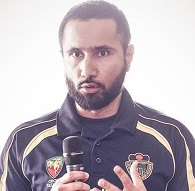
Muhammad Siddique Fawad Qureshi
Adapting the Technology Acceptance Model for Decision Review Systems in Professional Sport Context
This research seeks to investigate the extent to which the Technology Acceptance Model needs to be adapted to account for the professional sporting context (and in particular, the technologies that have properties unlike those upon which the earlier TAMs were constructed). In order to address this need, this study seeks to explore the International Cricket Council’s adoption of its Decision Review System (DRS) through the perceptions of the sport’s array of stakeholder groups.
Connect with Muhammad on LinkedIn, ORCID, ResearchGate

Naimeng Yao
A Comprehensive Negative Sampling Method for Knowledge Graph Embedding
A knowledge graph (KG) is a structured graph with entities as nodes and relations between entities as edges. Entities represent real-world objects or virtual terms. Knowledge graph embedding (KGE) is the foundation of almost all Knowledge graph applications because it encodes entities and relations into low-dimensional vector space and represents them in mathematic formats. Negative sampling, which selects non-observed triples in the training data during the training process, is essential and able to determine the quality of training results partially. However, the widely used negative sampling methods are very simple, and the currently developed advanced negative sampling methods are not efficient and very complex, like incorporating generative adversarial networks into the training process. Besides, the current negative sampling methods focus on the function score and select high-quality negative triplets that have large scores, which avoids the issue of vanishing gradient and leads to better performance.
However, they ignore the analysis of characteristics of these high-quality negative samples, which are reflected by their structural and semantic information. Moreover, previous works only describe quality negative samples with examples or from the perspective of eliminating vanishing gradient problems in training without giving a clear and exact definition of “quality negative samples”. As negative samples with relatively high scores from scoring function are possible to be “false negative samples” as well, current works lack sufficient evaluation about features of true quality negative samples. Furthermore, real-world knowledge graphs are dynamic, negative samples are not continuously negative, and they should have their time limit. Current negative sampling methods that focus on high-quality negative samples are mainly incorporated in knowledge graph embedding models for static knowledge graphs instead of dynamic knowledge graphs.
Connect with Naimeng Yao on LinkedIn and ResearchGate
Rabbia Idrees
IoT Data Quality Management
IoT is deployed on a global scale. It is a connection of huge quantity of sensors. The sensors generate huge volume of real-time and high-speed data. In the IoT network, the devices are battery-powered and get disconnected due to device battery depletion. Thus, if the node is not available in the network, then the IoT network provide missing or incomplete data. Furthermore, the dynamic nature of IoT devices (offline/online scheduling, connection/ disconnection due to device mobility) brings uncertainty and unreliability in the IoT data. If data are of poor quality, decisions are likely to be unsound. it is highly important to clean or process data before bringing it to use in IoT applications
In the past many researchers tried to provide IoT data cleaning methods. They proposed several Machine Learning (ML), Stochastic and Statistical methods to perform analysis on stored data in the Data Processing Layer, without focusing the challenges and issues arises from the dynamic nature (online/ offline state, connection/ disconnection, and device mobility) of IoT devices. Moreover, those data cleaning methods were more on detecting anomalies and outlier detection and other data quality parameters are remained unanswered. Hence, no perfect model is available that can ensure IoT data quality.
In this research, our target is to provide data quality model that can accurately measure IoT data quality. Our proposed data quality model will check the reliability of IoT network first by considering all the factors arising from dynamic nature of IoT devices that can affect the IoT network and lead to poor data quality. For that, we have designed a mathematical model that can check the reliability of IoT network and an algorithm that will do further processing on data to check its quality. After performing reliability check on IoT network, we will store data on the database. In this research, we are using Blockchain to provide storage to IoT data. We have proposed a new Publisher-Subscriber model with Blockchain for integrating Blockchain with IoT network. After implementing P-S model with blockchain we will change publisher-subscriber ratio to check how it is impacting the accuracy of our proposed IoT data quality model. At the end of the research, we will extend our analysis and modify the developed data quality model that can accurately measure the quality of data provided by IoT network with different sensor configurations.
Connect with Rabbia on LinkedIn, ResearchGate and ORCID

Rami Mohawesh
Deep learning for fake review detection
Connect with Rami on Research ate, ORCID, or Google Scholar.
Renjie Li
Identifying Pre-cognitive Biomarkers of the Earliest Stages of Dementia using Artificial Intelligence Analyses of Eye, Face and Limb Movements

Riseul Ryu
Authentication through adaptive multimodal biometrics approaches applied in online learning environments.
User authentication is crucial in the online learning environment to preserve the integrity, reliability and transparency of the learning process. Password-based authentication is the most popular method applied in online learning environments, but it suffers from challenges which can threaten the security of the online learning environment. Biometric has been introduced as an alternative to password-dominant authentication; however, the authentication performance tends to decrease due to changing conditions, ageing of data and variations of the interaction between the sensor and the individual, which results in intra-class variability. The study aims to investigate how to enhance authentication using adaptive multimodal biometrics approach which will address the combined possibilities of ageing and changing acquisition conditions.
Connect with Riseul on ResearchGate and ORCID

Sabera Hoque
Deep Learning-based Absolute Pose Estimation of On-road Vehicles for Autonomous Driving
This research will develop a machine learning method for estimating the absolute pose of an on-road vehicle for autonomous driving from monocular vision alone without the help of additional sensors. The main purpose of this research is to identify other vehicles on the road and estimate their exact angular position from a single image with improved accuracy. The focus of the study is to create a new algorithm by applying a potentially deep convoluted neural network followed by a repetitive neural structure for more accurate 6D pose inference. The successful implementation of this innovative concept will lead to significant improvements in the real-life traffic situation in the field of computer vision and autonomous driving.
Connect with Sabera Hoque on ORCID and Google Scholar
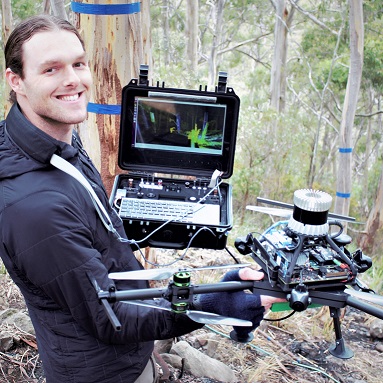
Sean Krisanski
An investigation into the integration of an innovative Unmanned Aerial System (UAS) and automated point cloud data extraction to enhance Forest Inventory and Habitat Assessment
This project aims to implement and integrate aerial robotics, remote sensing and automated data processing techniques to obtain very-high-resolution, three-dimensional structural information of forests using intelligent unmanned aerial systems (UAS) deploying photogrammetry and LiDAR. UAS are used above and below the canopy, to capture this information from challenging forested environments. An end-to-end system from data collection to data analysis is being developed for capturing high-resolution forest metrics efficiently and accurately, as a step towards automated collection of this data at large scales.
Connect with Sean Krisanski on ResearchGate, LinkedIn, or ORCID

Shiqing Wu
Intelligent and Effective Incentivization Strategies Toward Proactive Recommendations
This research work is to investigate how to realize proactive recommendations through the way of allocating effective incentives to users.
Connect with Shiqing on Research Gate and Linkedin

Shivangiben Gheewala
A Machine Learning Approach for Developing Recommender Systems (or Recommendation System)
Due to the exponential growth of online information users are often welcomed with a huge range of products and services along with their descriptions, reviews, and comments. Although this information available to users is valuable, at the same time massive data sources confuse them to retrieve desired content. Such scenario is known as information overload. Recommender systems are examined as effective tools that play a vital role in filtering information and ultimately addressing the problem of information overload. In the recent years, recommender systems have attracted increasing attention in both industrial and academic research. As they bring great value not only to the end users by identifying the personalized choices but also to the industrialist by increasing conversions and sales revenue. Collaborative Filtering has been widely adopted recommender technique since its ability to capture personalized user preference. Nevertheless, the traditional collaborative filtering methods has capability to learn only linear representations. On that account, in last few years the research has been inclined towards incorporating deep neural networks into the collaborative filtering method to improve the recommendation quality.
Deep learning models have shown effectiveness in learning deeper representations from rating matrix and identifying the complex interactions between users and items. Also, the new generation systems have started exploiting contextual data in an innovative way to leverage the recommendation results. User-created textual reviews contain fine-grained features’ opinions that reflect the user behaviours, and hence serve as an important information for the recommender systems. Despite of considerable research of utilizing deep technology and textual reviews for recommender systems, improving the system performance is a contentious matter. The foremost reason behind is the challenges faced in modelling the user preferences from the unstructured textual reviews. Secondly, inconsistent behaviour of an individual for the products, which results into a drop in recommendation accuracy. To this end, our research primary objective is to build a deep learning based recommender system that improves the system performance by effectively learning the textual reviews.
The research project aims to develop a novel encoder model that utilizes transformer-based multi-head self-attention layer to learn contextualized and global space projections from the textual reviews. Followed by the Recurrent Neural Network (RNN) based Long Short-Term Memory (LSTM) model which learns contextualized sequences to generate iteratively non-linear representations. We believe this inference will extract the complex joint effects between the user and item representations to provide accurate prediction scores. With the proposed approach, we aim to enhance the accuracy of the recommender system. There are two main academic research lines to build a recommender system – rating prediction and top-N ranking. Considering the practicality of top-N ranking where users implicitly prefer to express their affinity by interacting with the recommended products, our research study focus to exploit the proposed model to output Top-N personalized recommendations.
Connect with Shivangi Gheewala on Google Scholar, Research Gate, LinkedIn and ORCID
Simon C. Stanton
Agent Dynamics in a Topological Space: Computational Learning of Agent Dynamics using Game Theory Topology and Reinforcement Learning
This research is an investigation into the behaviour of agents that can translate their perception of the strategic dynamic in a complex environment to a mapping in a topological space. This mapping reifies the perceived dynamic and enables the agent to use the knowledge discretely. We form the hypothesis that an agent that can alter the actual environment dynamic from a region of conflict to one of cooperation may result in increased efficacy for the agent with respect to the achievement of its own goals and also to improved collective outcomes.
Connect with Simon on ORCID

Sumbal Maqsood
Attention Explainable Artificial Intelligence for Bio-signal Analytics
Artificial Intelligence systems have been proliferating in the healthcare industry domain, such as digital health, fitness tracking, patient monitoring, and leading toward disease diagnostic. In addition to this, with technological advancement, physiological sensors with artificial intelligence acquired people's attention because of multifarious advantages. Such sensors are predominantly inexpensive, portable, easy to use, measure health parameters continuously, and non-invasively. This PhD research aims to investigate biosignal based sensors to predict early health indicators of cardiovascular disease (CVD), which is known as the leading cause of death globally.
Connect with Sumbal on GoogleScholar, ORCID and ResearchGate
Usman Ali Qureshi
Anomaly Detection for Transport Infrastructure

Venkata Satya Narasimha Rama Rao Kaluri
Real-Time Biodiversity Measurement in Large Bioacoustic Datasets

Xiang Li
Graph Neural Network for Responsible AI
The outcomes of the AI model may not be trusted by the users. Building and maintaining public trust in AI has been identified as the key to successful and sustainable innovation. The project aims to increase the trust of humans in AI models.
Connect with Xiang on LinkedIn

Yuan Tian
Early Detection of Dementia Using Testing Tools in VR/AR Environment
Dementia is regarded as “the greatest medical and social challenge of the 21st century” (Livingston et al. 2017). In order to intervene the pathology progression successfully, investigators proposed a need to begin treatment earlier in the disease stages before tell-tale cognitive symptoms are typically observed (Doody et al. 2014; Forester, Patrick & Harper 2020). Hence, early detection of dementia is thought to be significant, which has the potential to facilitate to introduce interventions to prevent or delay pathological deterioration.
Alzheimer’s disease is the most common disease which leads to dementia in aged population. Thus, early diagnosis of AD may improve the largest number of people who are at the risk of dementia. Preclinical Alzheimer’s disease indicates the earliest stage of Alzheimer’s disease, which is the span between individuals have the first pathological signs and they have the first clinical cognitive symptom (Dubois et al. 2016). Current diagnostics tools, like cerebrospinal fluid examination and blood examination are invasive and expensive. Therefore, an alternative is necessary.
This research aims at exploring preclinical Alzheimer’s disease detection by testing distance estimation (via grid-cell mechanism) in virtual environments. VR prototypes will be designed, implemented and evaluated by adopting both screen-based virtual environment (VE) and head-mounted-display-based VE, in order to explore technology validity of adopting VR tools for distance estimation (via grid-like-cell mechanisms) in different geometries, and investigate the potentiality of the VR tools in detecting preclinical AD.
References
- Doody, RS, Thomas, RG, Farlow, M, Iwatsubo, T, Vellas, B, Joffe, S, Kieburtz, K, Raman, R, Sun, X & Aisen, PS 2014, 'Phase 3 trials of solanezumab for mild-to-moderate Alzheimer's disease', New England Journal of Medicine, vol. 370, no. 4, pp. 311-321.
- Dubois, B, Hampel, H, Feldman, HH, Scheltens, P, Aisen, P, Andrieu, S, Bakardjian, H, Benali, H, Bertram, L, Blennow, K, Broich, K, Cavedo, E, Crutch, S, Dartigues, J-F, Duyckaerts, C, Epelbaum, S, Frisoni, GB, Gauthier, S, Genthon, R, Gouw, AA, Habert, M-O, Holtzman, DM, Kivipelto, M, Lista, S, Molinuevo, J-L, O'Bryant, SE, Rabinovici, GD, Rowe, C, Salloway, S, Schneider, LS, Sperling, R, Teichmann, M, Carrillo, MC, Cummings, J, Jack, CR, Jr., Proceedings of the Meeting of the International Working, G, the American Alzheimer's Association on “The Preclinical State of, A, July & Washington Dc, USA 2016, 'Preclinical Alzheimer's disease: Definition, natural history, and diagnostic criteria', Alzheimer's & dementia : the journal of the Alzheimer's Association, vol. 12, no. 3, pp. 292-323.
- Forester, BP, Patrick, RE & Harper, DG 2020, 'Setbacks and Opportunities in Disease-Modifying Therapies in Alzheimer Disease', JAMA psychiatry, vol. 77, no. 1, pp. 7-8.
- Livingston, G, Sommerlad, A, Orgeta, V, Costafreda, SG, Huntley, J, Ames, D, Ballard, C, Banerjee, S, Burns, A & Cohen-Mansfield, J 2017, 'Dementia prevention, intervention, and care', The Lancet, vol. 390, no. 10113, pp. 2673-2734.
Connect with Yuan on LinkedIn

Yuchen Wei
Deep Learning for Multiple Products Image Recognition
This study aims at exploring how to improve the accuracy rate of multiple products detection on images.
Connect with Yuchen on Google Scholar, and ORCID

Yuxuan Hu
Comprehensive Context Analysis in Dynamic Systems
Existing context-aware influence diffusion modelling face some challenges. Firstly, in real-world, the network structure is often sophisticated and dynamic, while existing context-aware influence diffusion models are hard to capture the individual behaviours which drive the dynamics of the network. Secondly, existing models are often ad-hoc which makes modelling context in influence diffusion models to be very challenging as 1) there is not a general notion for conceptualizing context and 2) the contextual factors which used for modelling context are not comprehensively considered. This study aims to propose a context-aware influence diffusion model to fill these gaps. To tackle the first challenge, agent-based modelling, which explores the evolution of the system by investigating agent personalities and behaviours, would be used for modelling the influence diffusion process. To address the second challenge, by introducing the concept of belief in agent-based modelling, this study aims to model the context of an individual and groups of individuals as a belief network. By utilizing the bidirectional impact between context and influence diffusion, this study will propose a context-aware influence diffusion model. Furthermore, the context-aware influence propagation strategies are going to be proposed under different purposes.
Connect with Yuxuan on Linkedin, and ResearchGate
Zhiqiang Huang
Further Study for Cross-layer Hybrid Cloud Monitoring-as-a-Service Framework
