

Banner image credit: Rick Stuart-Smith
Marine ecosystems burst with a vibrant array of species and habitats. In the Centre for Ecology and Biodiversity, our mission is to delve into and map the patterns and drivers of biodiversity in temperate marine and Antarctic regions, particularly as they shift due to climate change and human activities. Our research covers every aspect of marine life, from the essential components of food webs like plankton and ice-associated communities to the fascinating world of zooplankton, marine mammals, fish, seabirds, and the diverse life found on the seafloor and in intertidal zones.
We investigate the many facets of marine life, including its diversity, composition, distribution, life history, and the ecological processes that sustain it. Using state-of-the-art techniques such as extensive field sampling, animal tracking, remote sensing, modeling, and molecular ecology, we strive to unravel the intricate dynamics of marine ecosystems.
By gaining a deeper understanding of these complex environments, we aim to contribute to their conservation and sustainable management, ensuring that they remain vibrant and healthy for future generations.
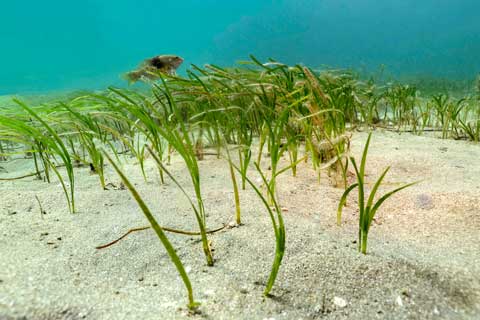
The temperate coastal ecosystems of southern Australia hold rich diversity, from the intertidal zone to seagrass and rocky reefs dominated by macroalgae and invertebrates.
Our research focuses on the ecology, conservation and restoration of these ecosystems, from seaweed to sea stars, including threatened species and communities, such as giant kelp and handfishes.
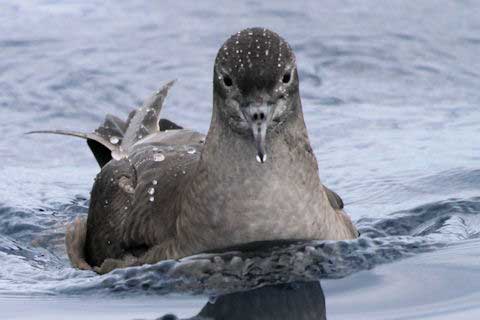
Our research on Southern Ocean, Tasmanian and other marine mammals and seabirds addresses the profound impacts of climate change, pollution, emerging viruses on these species, and their role as bioindicators of marine ecosystems.
We investigate how climate and shifting environmental conditions affect their behaviour, movement and migration patterns, distribution, critical habitat, and health, and we closely monitor the spread of diseases and viruses that threaten their populations. Using cutting-edge technologies such as satellite tracking, bioacoustic monitoring, genomic tools, and field surveys, we aim to understand and mitigate the effects of these pressures.
Our goal is to develop informed conservation strategies and management decision-making that help protect these vital species and their ecosystems in the face of a changing climate and evolving health threats. Marine mammals and seabirds are highly mobile, therefore our research covers a broad spatial extent, making them relevant to local, state, national, Southern Ocean and global research, biodiversity and conservation plans and agreements.
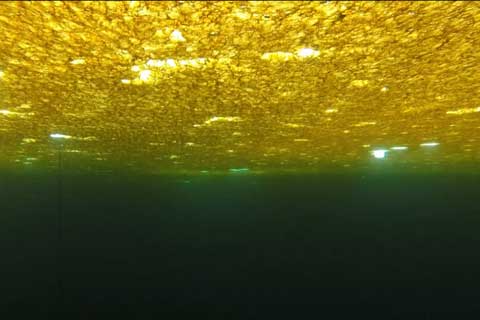
Ice-associated communities, comprising viruses, bacteria, microalgae, and zooplankton, are essential for Antarctic marine ecosystems forming the foundation of the food web.
Microalgae typically dominate these communities, supporting a diverse range of marine life, from krill and fish to higher trophic levels.
Their stability is crucial for polar ecosystem health, yet they are highly sensitive to environmental change, making them key indicators for understanding the impacts of a changing climate in polar regions.
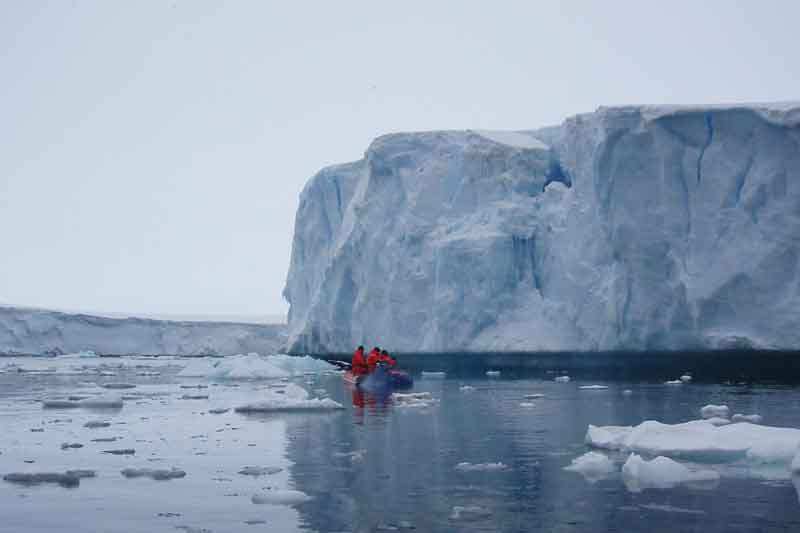
The Southern Ocean hosts unique marine ecosystems adapted to cold environments with most of its species found nowhere else in the world.
Researchers in the Centre for Ecology and Biodiversity work to better understand patterns, drivers, and threats to these communities with monitoring, assessments, and modelling.
This research is critical to ensure activities conducted in the Southern Ocean are sustainable, with adequate conservation and management efforts in place, such as marine protected areas.