

Image credit: Nicole Hill
Marine ecosystems are facing significant challenges due to climate change, the spread of invasive and range-shifting species, habitat degradation and loss, rising levels of marine pollution, and overexploitation.
These issues threaten the survival of marine species and ecosystems, and the essential services they provide.
In the Centre for Ecology and Biodiversity we aim to tackle these problems head-on.
We focus on understanding how these threats impact marine biodiversity, from genes to whole ecosystems, and overall ecosystem health to support the development of effective strategies to mitigate and respond to them.
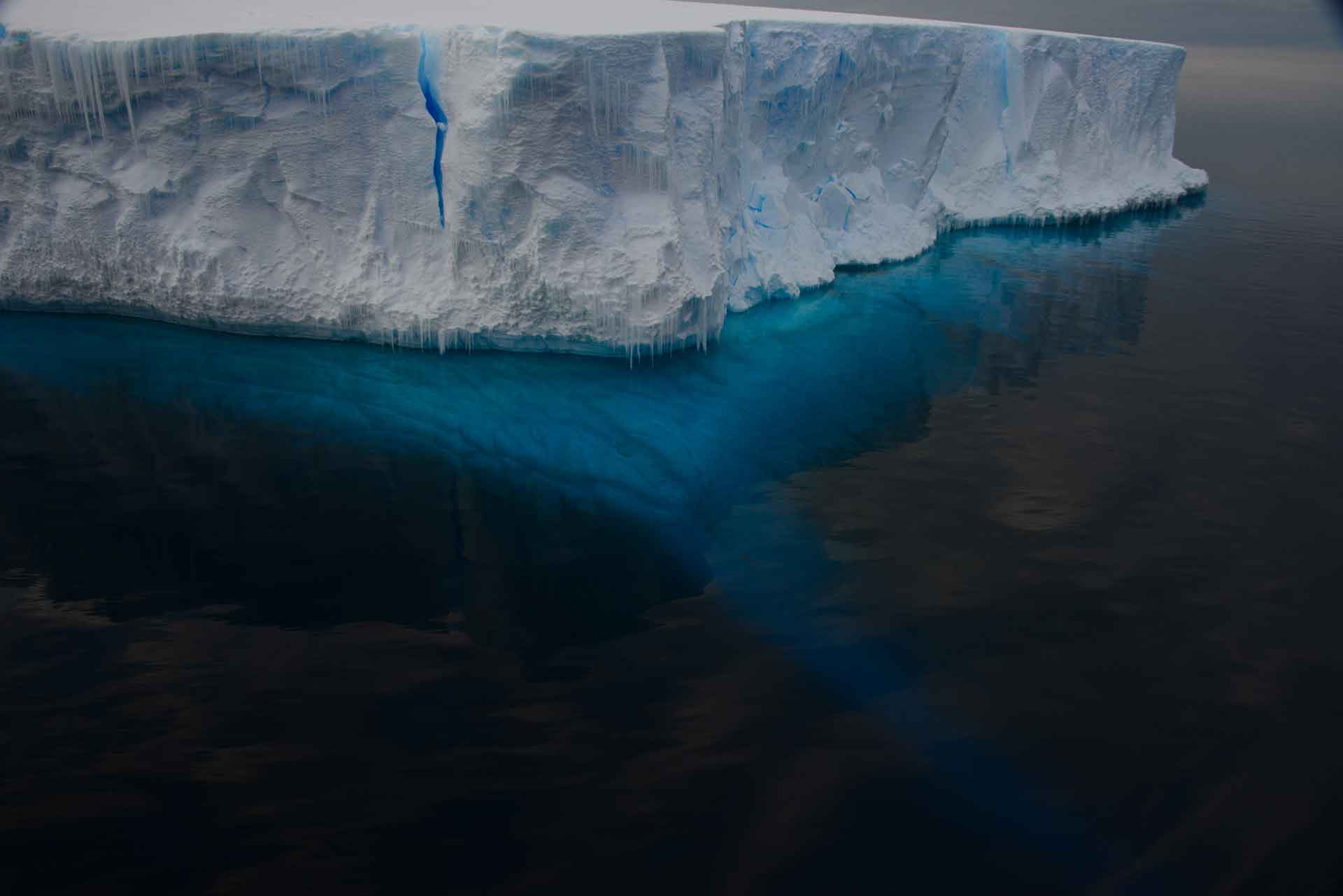
Climate change is a severe threat to marine ecosystems. In the Centre for Ecology and Biodiversity, our research focuses on understanding the impacts of marine heat waves and long-term warming, ocean acidification, increased frequency of storms and altered nutrient supply on the structure and function of ecosystems, and distribution of species.
While documenting current impacts to respond to them, our research additionally uses advanced global and regional scale ecosystem modelling to project impacts of climate change and future sea-use scenarios on marine ecosystems and their wide range of services. Learn more about this research at FishMIP.
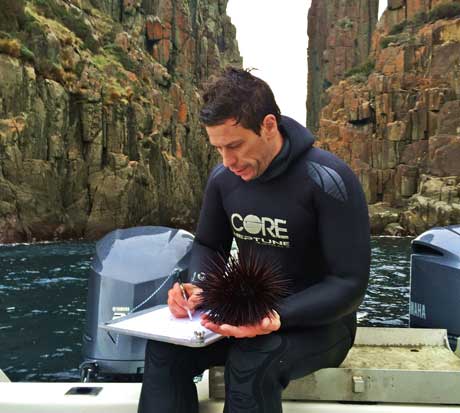
Range-shifting, non-endemic and invasive species can have severe impacts on recipient marine ecosystems.
Our research focuses on understanding these impacts on marine temperate and polar marine ecosystems and partnering with stakeholders to identify solutions and mitigate impacts.

Habitat degradation and loss, driven by factors like climate change, exploitation, and pollution, present challenges to marine diversity, species life histories, and ecosystem functionality. This decline can also contribute to the endangerment of various species.
In the Centre for Ecology and Biodiversity, we are dedicated to documenting changes in temperate marine coastal ecosystems to inform proactive measures and understand the underlying drivers of decline, especially their effects on vital habitat-forming species like giant kelp.
Our research is committed to supporting the recovery and revitalisation of threatened species and ecosystems, striving to enhance conditions and foster positive environmental outcomes wherever possible.
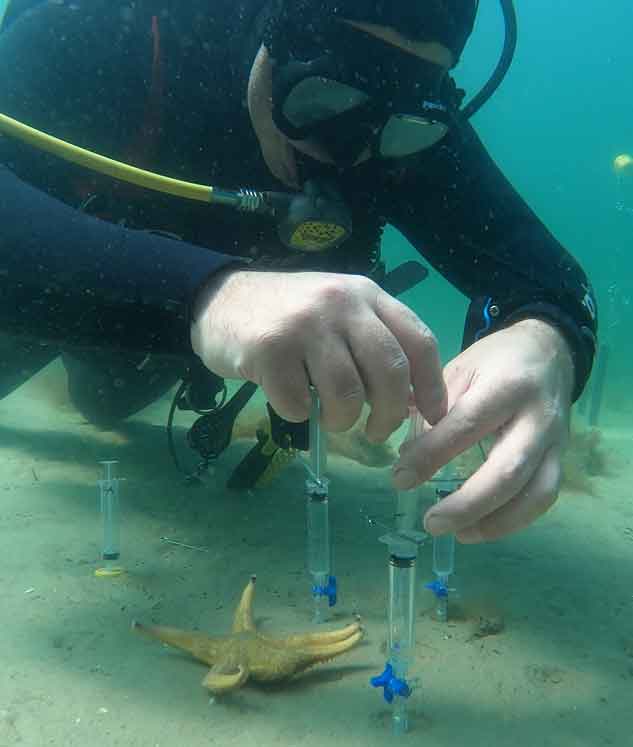
Around 500 billions tonnes CO2 will need to be removed from the atmosphere until the end of the century to keep global warming below 2C.
Our research at the Centre for Ecology and Biodiversity focusses on feasibility and sustainability of marine pathways for atmospheric CO2 removal.